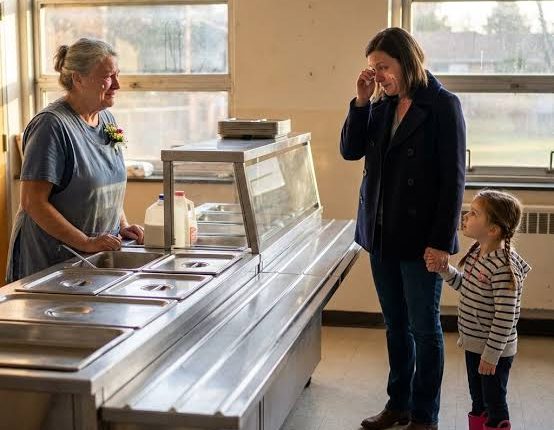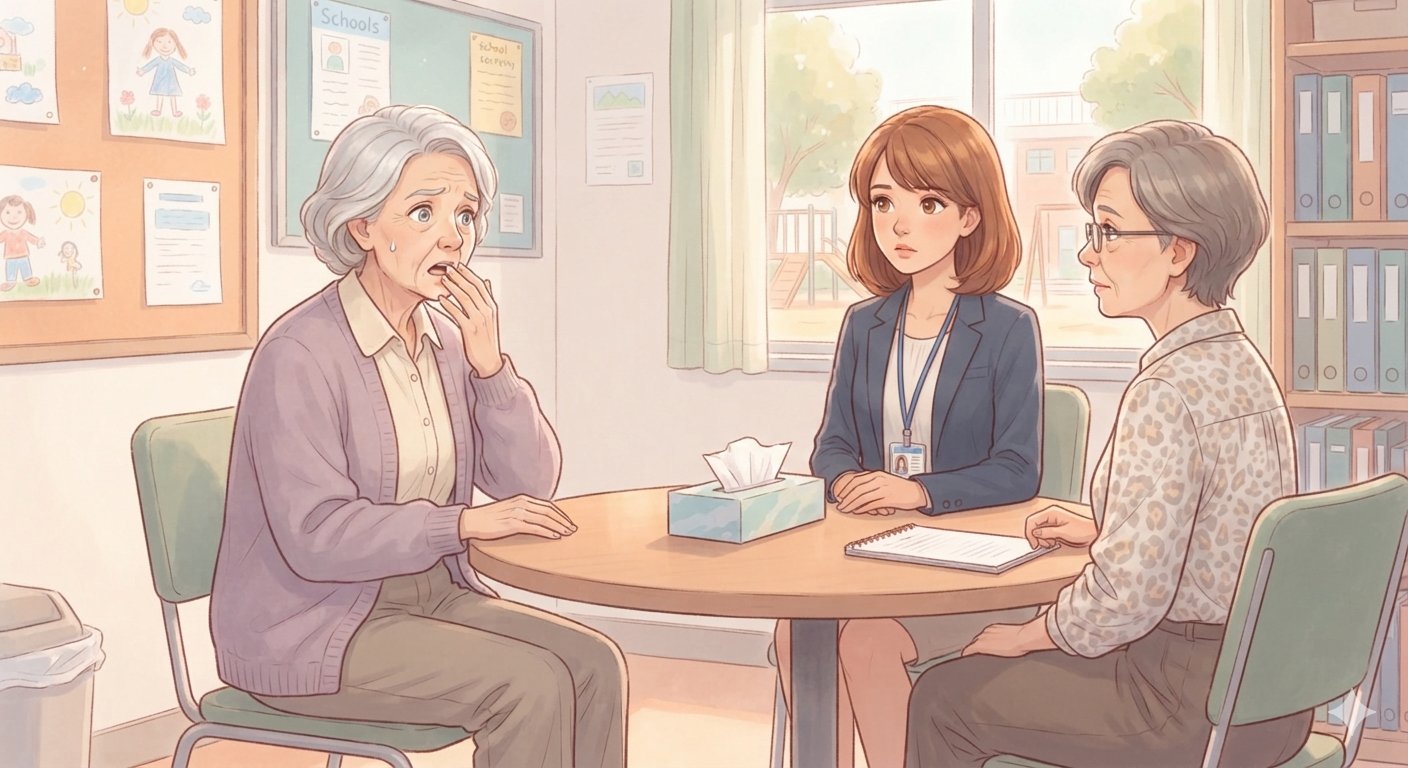
I had almost stopped the car. Instead, I kept driving. “Did your father tell you why?” Micah shook his head. “He said Grandpa wasn’t who you think he was.” I had remembered those words ever since. Now I understood why the school had contacted me. The counselor told me Micah had also asked whether children could be taken away from their parents. Then he had asked a question that left me speechless. “If Grandma tells the truth, will my dad get in trouble?” My hands went cold. I had spent years believing that family problems should remain inside the family. But Micah was only seven. He should have been thinking about school, friends, games, and what he wanted for lunch.
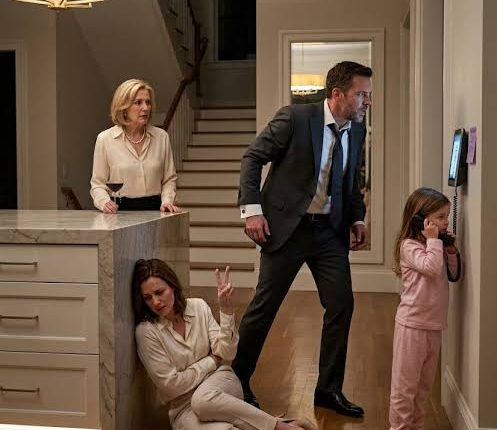
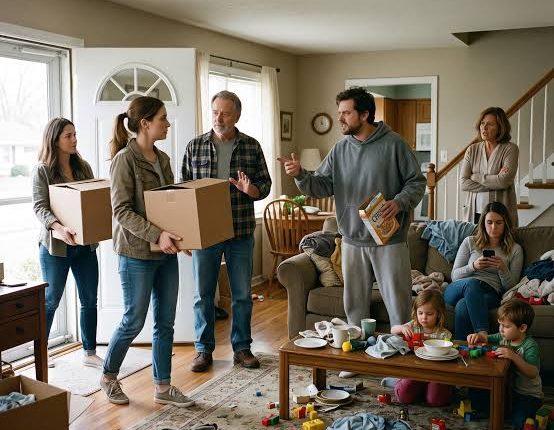
He should not have been carrying adult secrets. Dana entered the room. “What is this?” The counselor explained that Micah had specifically asked for his grandmother. Dana looked at me. “What did he tell you?” “Nothing,” I said. “The school called me.” Her expression changed. For a moment, I saw fear in her eyes. Not fear of me. Fear of what might be discovered. I left the school without arguing with her. I sat in my car and stared at Micah’s booster seat in the back. A tiny blue sticker was still attached to the side. I reached for my phone. There was one person I had not spoken to in twelve years. Arthur’s old attorney, Samuel Reed. I still had his number. When he answered, I said, “Sam, it’s Linda.” There was a long silence. Then his voice changed. “Linda?” “Yes.” “Are you all right?” “No.” He asked what had happened. I told him my grandson had started asking questions about Arthur.
Sam became very quiet.
Finally, he said, “I knew this day would come.”
My heart began racing.
“What does that mean?”
“Where are you?”
“Outside Micah’s school.”
“Are you alone?”
“Yes.”
“Then listen carefully. Do not go to your son’s house.”
“Why?”
“Because if Kyle knows Micah has talked, he may start looking for the original documents.”
“What documents?”
“I can’t explain everything over the phone.”
He gave me an address and told me to come alone.
Then he added something that confused me.
“Bring the green folder.”
“What green folder?”
He paused.
“The one Arthur gave you.”
“I don’t have a green folder.”
His voice became quieter.
“Then Kyle may have found it.”
I could barely breathe.
“What was in it?”
“Proof.”
“Proof of what?”
“That your husband never intended your son to control the property.”
I drove downtown.
Sam was waiting in his office.
He looked older than I remembered, but his eyes were still sharp.
Without saying much, he unlocked a filing cabinet and removed a sealed envelope.
My name was written across the front in Arthur’s handwriting.
Linda.
My hands trembled.
“Why did you keep this?”
“Arthur asked me to.”
I opened the envelope.
Inside was a letter.
My dearest Linda,
If you are reading this, something has happened that I hoped would never happen. I need you to know the truth about Kyle and the decisions I made before my death.
Arthur explained that he had discovered financial irregularities involving Kyle and the family business. At first, he believed they were accounting mistakes. Eventually, he found transfers to accounts he did not recognize.
The accounts were connected to Kyle.
I stopped reading.
“How much money?”
Sam answered quietly.
“Enough to cause serious damage.”
Arthur had documented transfers, financial records, and copies of important paperwork.
Then I reached the part that changed everything.
Arthur wrote that Kyle had discovered he was investigating the missing money.
He had confronted Kyle.
He had refused to give him control of the company.
Arthur had warned him that the matter would be reported.
Then came the sentence I could barely read.
Kyle had told his father that he would never get the chance.
I lowered the letter.
“What happened that night?”
Sam opened another file.
“The official report said Arthur died following a medical emergency.”
“I know.”
“But there were unanswered questions.”
He explained that Arthur’s medication records had raised concerns about whether he had taken the correct amount. The evidence had never been strong enough at the time to establish exactly what happened.
I felt the room spinning.
“All these years, I thought his death was simply tragic.”
Sam nodded.
“Arthur wanted you to protect yourself.”
He showed me another document.
It explained that Kyle had persuaded me to sign paperwork after Arthur’s death. I had believed I was helping settle the estate.
But some of the documents had transferred control and authority over parts of the family business.
I remembered signing them.
I had been grieving.
I had trusted my son.
Sam then explained something even more shocking.
A valuable warehouse property was still legally connected to me.
Kyle had been collecting lease payments from it for years.
The amount was substantial.
I stared at him.
“How could I not know?”
“Because you trusted him.”
Those words hurt more than anything.
I had trusted my own son.
I had believed every explanation.
I had thanked him for helping me.
And all that time, important decisions were being made without my understanding.
Then Sam showed me a photograph.
Arthur was standing beside a former warehouse employee named Peter Lang.
“Where is he?”
Sam hesitated.
“He disappeared after Arthur died.”
I looked at the photograph again.
Something about the situation felt unfinished.
That evening, I stayed somewhere safe.
A few hours later, an unknown number sent me a message.
You should have left the past alone.
Another message followed.
Micah doesn’t need you.
I did not respond.
I saved the messages and showed them to Sam.
The next morning, the police began reviewing the documents he had provided. The financial investigation was reopened, and investigators started examining the circumstances surrounding Arthur’s death.
Kyle disappeared.
Dana stopped answering my calls.
And Micah was temporarily placed with another trusted family member.
That decision hurt.
But I knew he needed stability.
Several days later, the school called.
“Mrs. Vogel?”
“Yes?”
“It’s Mrs. Prill. Micah is asking for you.”
My eyes filled with tears.
“Can I speak with him?”
A moment later, I heard his small voice.
“Grandma?”
“Hi, sweetheart.”
“Are you mad at me?”
“No. You did nothing wrong.”
“I told them what Dad said.”
“You did the right thing by telling a safe adult.”
He was quiet.
Then he asked, “Are you still my grandma?”
I smiled through my tears.
“Always.”
“Even if Dad says you’re bad?”
“Always.”
He whispered, “I knew it.”
“Knew what?”
“You wouldn’t leave.”
I closed my eyes.
“I won’t.”
The following week, Dana came to Sam’s office.
She looked exhausted.
“I want to tell you everything,” she said.
She explained that Kyle had known Arthur was investigating the missing money. She also admitted that Kyle had told her he had been at the house on the night Arthur died.
“He said they argued,” she told me.
“What happened afterward?”
“He said Arthur became seriously ill.”
I waited.
“He also told me he removed Arthur’s medication bottle because he was afraid people would suspect him.”
My heart sank.
Then Dana reached into her purse.
“I brought something.”
She placed a small flash drive on the desk.
“Kyle didn’t know I had it.”
It contained security footage from the garage.
The recording showed Kyle meeting another man.
When the audio was increased, we heard Kyle talking about missing copies of important documents.
“If she finds out, I’m finished,” he said.
Then the other man replied that my mother knew enough.
I stared at the screen.
Dana told us she had discovered the footage weeks earlier but had been too afraid to speak.
The man in the recording was Peter Lang.
Investigators eventually located him living under another name in another state.
Peter agreed to cooperate.
He explained that Arthur had discovered Kyle’s financial activity and had confronted him. Peter had witnessed part of the argument on the night Arthur became seriously ill.
He had been afraid to come forward because Kyle had threatened his family.
Now, after twelve years, he finally told the truth.
The investigation continued for months.
Kyle was eventually charged with financial crimes, and the evidence surrounding Arthur’s death was reviewed separately.
The stolen funds were traced.
The property records were corrected.
The trust Arthur had created was restored.
Most importantly, the truth was finally documented instead of being buried beneath years of assumptions.
When I eventually saw Kyle again, he looked older and tired.
“Mom,” he whispered.
I looked at him.
“I’m sorry.”
“I believe you are.”
He began crying.
“But being sorry doesn’t erase twelve years.”
He nodded.
“Did you ever love your father?”
“Yes.”
“Then why did you do it?”
He looked down.
“I wanted what he had. I wanted control. I wanted to prove I could succeed.”
I shook my head.
“You were already important.”
“I didn’t believe that.”
His choices had caused enormous damage.
But I also understood something I had not understood before.
A person can be responsible for terrible decisions without becoming the only thing you see when you look at them.
I did not excuse what Kyle had done.
I simply refused to let his choices destroy the rest of my life.
Months later, I visited Arthur’s grave.
For the first time in twelve years, I did not feel guilty.
“I know now,” I whispered.
The wind moved gently through the trees.
“I should have asked more questions.”
I paused.
“But I loved our family.”
Then I smiled.
“And I know you did too.”
Later that year, Micah came home from school and climbed into my car.
He was eight now.
He had grown taller, but some things had not changed.
He still disliked having the radio on.
He still wanted apple slices after school.
And he still remembered the little green cup.
He pointed at it.
“You kept it!”
“Of course.”
“Why?”
“Some things are worth keeping.”
He smiled.
“Grandma, can we visit Grandpa’s house?”
“Sure.”
We drove there together.
The old house was quiet, and the garden had grown wild. But the maple tree Arthur had planted years earlier was still standing.
Micah walked beneath it.
“Did Grandpa plant this?”
“Yes.”
He looked up at the branches.
“Did Dad help?”
“No.”
Micah smiled.
“Sounds like Dad.”
I laughed.
Then he looked at me.
“Are you sad?”
“Sometimes.”
“About Dad?”
“Sometimes.”
“About Grandpa?”
“Sometimes.”
He thought for a moment.
“Are you happy?”
I looked at him.
“Right now?”
He nodded.
“Very.”
He leaned against me.
“Good.”
Standing there with him, I realized that the years of uncertainty had taught me something important.
Truth can be painful, but hiding it does not make a family stronger.
Trust should not mean refusing to ask questions.
Love should not require someone to ignore warning signs.
And protecting a child sometimes means giving them permission to tell a safe adult when something feels wrong.
A year later, the school held Grandparents’ Day.
When I arrived, Bev was standing near the entrance.
She smiled.
“Number forty-one!”
I laughed.
“Still remember?”
“Some things you never forget.”
Inside, Micah ran toward me.
He pulled me over to his art project.
It was a picture of a car with an old woman in the driver’s seat and a little boy beside her.
In the middle was a small green cup.
Above the picture, he had written:
MY GRANDMA KEEPS HER PROMISES.
I stared at it.
Then I hugged him.
That afternoon, we drove home together.
Micah told me about his classes, his friends, and a science project he wanted to build.
I listened.
That was all he needed.
Not a perfect family.
Not a life without difficult moments.
Just someone willing to listen when he had something to say.
As the sun began to set, the little green cup rested between us.
I looked at Micah in the passenger seat and smiled.
For years, I had believed the most important things in my life were the house, the property, the documents, and the answers I never received.
I was wrong.
The most important thing was the child who had trusted me enough to tell the truth.
And as we drove home, I made myself one final promise.
No matter how complicated life became, I would keep listening.
Because sometimes the greatest gift a grandmother can give a child is not an answer.
It is simply being there when the child finally finds the courage to speak.
The little green cup was between us. It had become almost ridiculous how important that cup was. It was scratched now. The lid did not snap as tightly as it used to. There was a faded dinosaur sticker on one side that Micah had put there when he was five. I could have bought twenty new ones. I never did. Micah was nine now. Old enough to notice when adults avoided questions. Old enough to understand that when someone said, “It’s complicated,” they usually meant the truth hurt. But still young enough that I wanted to protect whatever softness childhood had left in him. I put down the knife I had been using to slice his apple. “No,” I said. He looked surprised. “You don’t?” “No.” “But Dad did bad things.” “Yes.” “Really bad things.” “Yes.” He stared at the table. “Then how can he not be bad?” I pulled out the chair beside him. “Because people are bigger than the worst thing they’ve ever done.” Micah frowned. “That sounds like something teachers say.” I laughed.
“It probably is.” He did not laugh. So I stopped. I reached across the table and put my hand over his. “Your father made choices that hurt people.” “He hurt Grandpa.” I swallowed. The investigation into Arthur’s death had taken longer than any of us expected. There were things investigators could prove. There were things they strongly suspected. And there were things twelve years had made impossible to know with absolute certainty. I had learned that truth and proof were not always the same thing. Sometimes you knew what happened in your bones long before a courtroom could put it into neat sentences. “Kyle hurt a lot of people,” I said. “Me?” The question nearly broke me. “Yes.” Micah nodded slowly.
Then he asked the question underneath all the other questions. “Did he stop loving me?” “No.” I answered too quickly. Micah noticed. Children always notice. “You sure?” “Yes.” “How?” “Because loving someone and treating them correctly aren’t always the same thing.” He stared at me. “That doesn’t make sense.” “I know.” “Then explain it.” So I tried. I told him that adults could love someone and still be selfish. They could love someone and still lie. They could love someone and still be afraid. They could convince themselves that what they were doing was necessary. And sometimes they could become so busy protecting themselves that they hurt the very people they claimed they were protecting. Micah listened without interrupting. Finally, he asked, “Is that what Dad did?” “I think so.” He picked up an apple slice. He dipped it in peanut butter. Then he said something that stayed with me. “I don’t want to be like that.” I looked at him. “You don’t have to be.” “What if it runs in families?” I almost smiled. But his face stopped me. He was serious. “Oh, sweetheart.” I moved my chair closer. “Character isn’t something you inherit like eye color.”
“But Dad learned things from Grandpa.”
“Some things.”
“And Dad taught me things.”
“Yes.”
“What if he taught me the bad things too?”
“Then you decide not to keep them.”
Micah looked at me.
“That easy?”
“No.”
I smiled sadly.
“Probably one of the hardest things you’ll ever do.”
He considered that.
Then he nodded.
“Okay.”
That was Micah.
He could receive the weight of the world and somehow answer it with okay.
A week later, a letter arrived.
There was no return address.
But I recognized the handwriting before I opened it.
Kyle.
I stood at the mailbox for nearly a minute.
For twelve years after Arthur died, I had wanted answers.
Then for months after the investigation began, I had wanted justice.
Now I wasn’t sure what I wanted.
I carried the envelope inside.
I put it on the kitchen counter.
I made coffee.
I washed two dishes that did not need washing.
I wiped the counter.
I checked the back door.
Then I finally sat down.
The letter began with two words.
Dear Mom.
I stopped there.
Just those words.
Dear Mom.
Not Linda.
Not Mrs. Vogel.
Not some carefully distant greeting written under legal advice.
Mom.
I kept reading.
Kyle wrote that he knew an apology could not restore what he had taken.
He wrote that he had spent years blaming Arthur.
Then me.
Then Dana.
Then circumstances.
Then money.
Then pressure.
Then fear.
Anybody except himself.
He said prison had given him something he had avoided his entire adult life.
Silence.
No business meetings.
No accounts to manage.
No reputation to protect.
No family members to manipulate.
No doors to slam.
No arguments to win.
Just silence.
And in that silence, he had remembered things.
Arthur teaching him to ride a bicycle.
Arthur standing behind him in the driveway with one hand on the seat.
Arthur coming to every baseball game even when Kyle barely played.
Arthur giving him his first job sweeping the warehouse floor.
Arthur handing him his first paycheck.
Arthur telling him, “Never confuse owning something with deserving it.”
Kyle wrote that he had hated that sentence.
He had spent half his life trying to prove Arthur wrong.
Then came the paragraph I read three times.
“I thought Dad was keeping the company from me because he didn’t believe in me.
I understand now that he was trying to stop me because he saw what I was becoming before I did.”
I lowered the letter.
For the first time since the investigation began, I cried for my son.
Not because I believed he should escape consequences.
Not because I had forgotten what happened.
I cried because I remembered the little boy he had once been.
The boy who used to crawl into our bed during thunderstorms.
The boy who collected smooth rocks from the creek.
The boy who once cried for two days after finding a dead bird under the porch.
Somewhere between that boy and the man who frightened his own child into silence, something had gone terribly wrong.
But the boy had existed.
That mattered to me.
Even if it changed nothing legally.
I continued reading.
Near the end Kyle wrote:
“I don’t expect Micah to forgive me.
Please don’t ask him to.
Please don’t make him visit me.
Please don’t tell him I’m a good man.
Tell him the truth.
Tell him I loved him.
Tell him I made terrible choices.
Tell him he never has to become me.”
I folded the letter.
Then I sat in my kitchen until the coffee went cold.
That evening Micah came over.
I did not show him the letter.
Not yet.
Instead, we went outside.
The maple tree in my backyard had started budding.
Micah kicked a soccer ball against the fence while I pulled weeds from the flower bed.
After a while he stopped.
“Grandma?”
“Yes?”
“Can we go see Grandpa tomorrow?”
Arthur’s grave.
“Of course.”
The next afternoon we drove to the cemetery.
Micah carried flowers.
Not expensive flowers.
Dandelions.
He had picked them himself along the edge of my yard.
“I know they’re weeds,” he said.
“Your grandfather wouldn’t care.”
“How do you know?”
“Because once he bought me flowers from a gas station because he forgot our anniversary.”
Micah laughed.
“Seriously?”
“Seriously.”
“Were you mad?”
“Very.”
“How long?”
“About fifteen minutes.”
“That’s not very long.”
“Your grandfather brought chocolate too.”
“That explains it.”
We reached Arthur’s grave.
Micah crouched and placed the dandelions beside the stone.
Then he traced Arthur’s name with one finger.
“Hi, Grandpa.”
I turned away.
Not because I wanted privacy.
Because suddenly I needed it.
Micah talked to him.
About school.
About a science project.
About baseball.
About how he still hated mushrooms.
Then he became quiet.
“I know what happened,” he said.
My chest tightened.
“I don’t know everything.”
He looked at the stone.
“But I know enough.”
The cemetery was silent except for birds somewhere high in the trees.
“I wish I remembered you better.”
I closed my eyes.
Micah had been very young when Arthur died.
Most of what he knew came from photographs and stories.
Then he said, “Grandma says you listened.”
My throat tightened.
“She says you weren’t perfect.”
I almost laughed.
Arthur would have appreciated that.
“She says you got mad sometimes.”
Definitely.
“And you snored.”
Very definitely.
“But she says you always came back and said sorry when you were wrong.”
Micah looked toward me.
“That’s important, right?”
“Yes.”
“Dad said sorry too.”
I walked closer.
“Yes.”
“Does that fix it?”
“No.”
Micah nodded.
“I didn’t think so.”
Then he asked, “Can sorry still matter if it doesn’t fix something?”
That question stopped me.
I thought about Kyle’s letter.
About Arthur.
About myself.
About all the years I had spent wondering whether I should have noticed more.
“Yes,” I said.
“I think it can.”
Micah looked back at the grave.
“Okay.”
We stayed until the afternoon light began to fade.
On the drive home, I told him about the letter.
Not every detail.
Only what belonged to him.
“Your father wrote to me.”
Micah looked out the window.
“Oh.”
“He asked me to tell you something.”
“What?”
“That he loves you.”
Micah said nothing.
“He also said you don’t have to forgive him.”
Still nothing.
“And he said he doesn’t want you to become like him.”
Micah finally looked at me.
“I already told you I’m not going to.”
“I know.”
“Can I read the letter?”
“When you’re ready.”
“Am I ready?”
“That isn’t something I can decide.”
He thought about it.
“Not today.”
“Okay.”
We drove the rest of the way with the radio off.
Two months later, Micah asked to read it.
I sat with him while he did.
He cried.
Not loudly.
Just tears rolling down his cheeks while he kept reading.
When he finished, he folded the pages carefully.
“Can I keep this?”
“If you want.”
He shook his head.
“You keep it.”
I put it back in the envelope.
Then Micah asked, “Can I write him?”
I tried not to show my surprise.
“Yes.”
“What should I say?”
“Whatever is true.”
He wrote for nearly an hour.
He did not let me read it.
I did not ask.
That was another thing I had learned.
Listening did not mean owning every secret.
Sometimes love meant allowing someone to have words that belonged only to them.
He sealed the envelope himself.
I mailed it the next morning.
Years passed.
Not quickly.
Life never moves quickly while you’re inside it.
But looking backward, it feels like somebody turned pages while you weren’t watching.
Micah entered middle school.
Then high school.
He got taller than me.
The green cup finally cracked.
He refused to let me throw it away.
So it went onto a shelf in my kitchen.
The booster seat disappeared from my car.
Then one afternoon, another car appeared in my driveway.
Micah had his driver’s license.
He came through the kitchen door holding up the keys.
“You scared?”
“Terrified.”
“Grandma.”
“I’m joking.”
“You’re not.”
“I am a little.”
He laughed.
“Come on.”
“Where?”
“I’m driving.”
“That isn’t a destination.”
“Trust me.”
There was that word.
Trust.
Once, it had meant believing without asking questions.
Now I understood it differently.
Trust was not blindness.
Trust was knowing you could ask.
“Where are we going?”
Micah smiled.
“Grandpa’s house.”
The property had remained in the family.
Not because I needed it.
Because I could never decide what to do with it.
The garden was still wild.
The maple tree was enormous now.
Micah parked badly.
Very badly.
“You’re crooked.”
“I’m inside the lines.”
“Barely.”
“Counts.”
We walked toward the tree.
He had become a young man.
Not a little boy.
Not the child whispering secrets between the front seats.
He stood under Arthur’s maple and looked up.
“I got accepted.”
I stared at him.
“What?”
He grinned.
“The university.”
I screamed.
I actually screamed.
Micah laughed while I hugged him.
“When did you find out?”
“This morning.”
“And you waited all day?”
“I wanted to tell you here.”
I held his face between my hands.
Arthur’s eyes.
Kyle’s smile.
His own heart.
Entirely his own.
“I’m proud of you.”
“I know.”
“That’s an arrogant answer.”
“You tell me every twelve minutes.”
“Because you need reminding.”
He laughed.
Then his expression changed.
“There’s something else.”
“What?”
“I got a letter from Dad.”
Kyle had continued writing through the years.
Sometimes Micah answered.
Sometimes he didn’t.
Nobody forced either.
“He might be released next year.”
I waited.
“How do you feel?”
“I don’t know.”
“That’s allowed.”
“I think I want to see him.”
My heart tightened.
“But I’m scared.”
“That’s allowed too.”
“What if I hate him?”
“Then you hate him.”
“What if I don’t?”
“Then you don’t.”
“What if I forgive him?”
“Then you forgive him.”
“What if you don’t like that?”
I looked directly at him.
“Your relationship with your father belongs to you.”
Micah stared at me.
Then he nodded.
“That’s what I thought you’d say.”
A year later, Kyle was released.
Micah decided to meet him.
I drove him.
Of course I did.
The meeting took place in a small family counseling center.
Kyle was already inside.
When Micah saw him through the glass, he stopped walking.
“You want me with you?”
“No.”
I nodded.
Then Micah grabbed my hand.
“Don’t leave.”
“I won’t.”
“Promise?”
That word again.
Promise.
I squeezed his hand.
“Always.”
He entered the room alone.
I sat in the hallway.
Forty-three minutes passed.
Then the door opened.
Micah came out.
His eyes were red.
Kyle stood behind him.
Older.
Thinner.
Gray at the temples.
For a moment my son and I simply looked at each other.
Then Kyle whispered, “Mom.”
I stood.
He took one step toward me.
Then stopped.
“I don’t know what I’m supposed to say.”
“Neither do I.”
“I’m sorry.”
“I know.”
His eyes filled.
“I don’t deserve forgiveness.”
“Forgiveness isn’t about deserving.”
He looked at me.
“Does that mean you forgive me?”
I thought about Arthur.
The missing years.
The stolen money.
The threats.
The frightened seven-year-old boy.
The woman I had been before everything collapsed.
Then I answered truthfully.
“Some days.”
Kyle cried.
I did too.
“Some days I forgive you,” I continued.
“Some days I don’t.”
He nodded.
“Maybe that’s the best I can ask for.”
“No.”
I shook my head.
“The best thing you can do is stop asking for forgiveness and start living like a man who understands what he did.”
He wiped his eyes.
“I’m trying.”
“Then keep trying.”
Micah stood beside us.
Three generations.
One absent.
One damaged.
One still becoming.
There was no magical reunion.
No music.
No moment where everything became whole again.
Kyle did not move back into our lives as if nothing had happened.
Trust came slowly.
Painfully.
Sometimes it moved backward.
There were canceled dinners.
Arguments.
Weeks when Micah did not answer Kyle’s calls.
There were also birthdays.
Coffee.
A baseball game.
One Christmas afternoon when Kyle and Micah spent two hours repairing a broken cabinet in my garage.
I watched from the kitchen.
At one point Kyle said something that made Micah laugh.
I heard Arthur’s laugh inside Kyle’s.
For one second, I had to turn away.
Not every wound disappears.
Some simply stop bleeding.
Years later, when Micah graduated from college, I sat in the front row.
Kyle sat three seats away.
Dana sat beside him.
Sondra was there too.
Life had rearranged us.
Nobody had the family they originally expected.
Maybe nobody ever does.
Micah crossed the stage.
When his name was called, every one of us stood.
He found me in the crowd.
And smiled.
Afterward, he handed me his diploma.
“Hold this.”
“Why?”
“Picture.”
We stood together.
Then Kyle approached carefully.
“Can I?”
Micah looked at me.
I looked at him.
His decision.
Micah nodded.
“Come on.”
Kyle stood on his other side.
The photograph was taken.
When I saw it later, I stared at it for a long time.
It was not a photograph of a perfect family.
It was better.
It was a photograph of people who knew exactly how imperfect they were and had decided to keep trying anyway.
That evening Micah came home with me.
He opened the refrigerator.
“Do you have apples?”
“You’re twenty-two years old.”
“That wasn’t my question.”
“Second shelf.”
“Peanut butter?”
“Cupboard.”
He started laughing.
“What?”
“Nothing.”
He reached onto the shelf above the counter.
The old green cup was still there.
Cracked.
Faded.
Useless.
He picked it up.
“You seriously kept this?”
“Of course.”
“Why?”
I smiled.
“Some things are worth keeping.”
He looked at me.
For a second he was seven again.
Sitting behind me in the car.
Talking because the radio was off.
Trusting me with something too heavy for a child.
Then he put the cup carefully back on the shelf.
“Yeah,” he said.
“Some things are.”
Late that night, after everybody had gone home, I sat alone on my porch.
I thought about Arthur.
I thought about Kyle.
I thought about the phone call from the school that had started everything.
For years, I believed that call had destroyed my family.
I finally understood it had done something else.
It had stopped us from pretending.
There is a difference between keeping a family together and keeping its secrets together.
I had confused the two for most of my life.
I thought loyalty meant silence.
I thought trust meant never questioning someone you loved.
I thought protecting children meant keeping ugly truths away from them.
I was wrong.
Real loyalty does not protect wrongdoing.
Real trust can survive questions.
And protecting a child sometimes begins with believing them when their voice shakes.
The next morning I drove to Arthur’s grave alone.
I brought flowers.
Not dandelions this time.
Although I considered it.
I sat beside his stone.
“You missed a lot,” I said.
Then I laughed softly.
“Micah graduated.”
The wind moved through the trees.
“He’s good, Arthur.”
My voice cracked.
“He’s really good.”
I touched the top of the stone.
“And Kyle is trying.”
That was harder to say.
“I don’t know what you would think about that.”
I sat quietly.
“I hope you’d understand why I couldn’t spend the rest of my life hating our son.”
A bird landed somewhere behind me.
“I loved you.”
I smiled.
“I still do.”
Then I stood.
Before leaving, I looked at Arthur’s name one last time.
“For twelve years I wanted the truth.”
I paused.
“Turns out the truth wasn’t the ending.”
I walked toward my car.
“It’s what we did after it.”
When I reached home, Micah’s car was unexpectedly in my driveway.
He was sitting on the porch steps.
“What are you doing here?”
“Waiting for you.”
“You have your own apartment.”
“I know.”
“You have food there.”
“Technically.”
I laughed.
He stood and hugged me.
“Grandma?”
“Yes?”
“Thanks.”
“For what?”
He shrugged.
“Listening.”
One word.
That was all.
Listening.
I had spent years thinking love had to be enormous.
Sacrifice.
Money.
Property.
Protection.
Answers.
But sometimes love was much smaller.
Apple slices.
A little green cup.
A silent radio.
A grandmother who did not interrupt.
A child who knew he could speak.
I unlocked the front door.
Micah followed me inside.
“Radio?” I asked.
“No.”
I smiled.
“Didn’t think so.”
And somewhere inside that ordinary moment, I understood that our story had finally reached the place it had been trying to reach all along.
Not revenge.
Not punishment.
Not even forgiveness.
Safety.
The freedom to tell the truth.
The freedom to ask questions.
The freedom to love someone without protecting their worst choices.
And the freedom to become something different from the people who came before you.
The little green cup remained on the kitchen shelf.
It never held peanut butter again.
It did not need to.
It had already held something far more important.
A memory of afternoons when a little boy knew someone was listening.
And if there was one thing I wanted Micah to remember after I was gone, it was this:
Families are not saved by hiding the truth.
They are saved when someone finally becomes brave enough to hear it.
And sometimes the person who changes everything isn’t the one who speaks the loudest.
Sometimes it is simply the person who turns off the radio…
and listens.
THE END