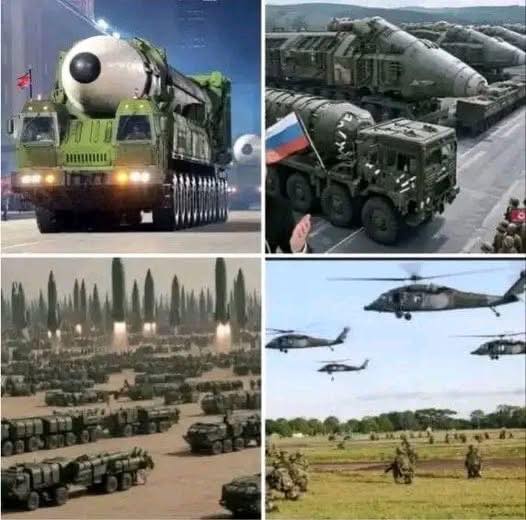
eation of a “Military Schengen”—a system that eliminates the bureaucratic red tape that currently prevents troops and heavy equipment from crossing internal EU borders. Currently, moving a tank division across Europe can take weeks of paperwork; the EU’s new mandate demands that this be reduced to three days in peacetime and a mere six hours during an active emergency.
To achieve this, the EU has identified 500 critical infrastructure points—bridges, tunnels, and ports—that require immediate structural reinforcement to support the weight of modern armored columns. The price tag for this logistical feat is estimated between €70 and €100 billion, a cost the EU is attempting to absorb through a massive expansion of its defense budget. Under the 2028–2034 cycle, defense spending is set to increase fivefold, reflecting a permanent shift in European priorities from social integration to territorial survival.
ReArm Europe: The Industrial Engine
The greatest hurdle to European defense has historically been fragmentation. The continent currently operates a dizzying array of incompatible tank models, fighter jets, and communication systems. To solve this, Brussels launched “ReArm Europe” in 2025. This central platform is designed to force national governments to stop competing and start collaborating.
At the heart of this initiative are two financial juggernauts: the European Defence Industry Programme (EDIP) and the Strategic Armament Financing Envelope (SAFE). SAFE, a €150 billion loan facility, allows member states to pool their purchasing power to buy weapons at scale. The demand has been overwhelming; by early 2026, SAFE had already received requests for nearly 700 projects, with nations clamoring for €50 billion in air defense systems, missiles, and maritime drones. This is the beginning of a unified European arms market, one intended to ensure that a French battery and a Polish radar can speak the same language on the battlefield.
The Transatlantic Rift
Perhaps the most significant driver of European rearmament is the growing isolation from Washington. A U.S. national security strategy published in December 2025 described Europe not as a protégé, but as a “weakened partner.” The message from the “America First” establishment is clear: by 2027, Europe is expected to handle the bulk of its own conventional defense.
The 2025 NATO summit in The Hague saw a desperate agreement to aim for 5% of GDP in defense spending by 2035, a target that seems nearly impossible for many debt-laden European economies. This perceived abandonment has led to a sharp diplomatic pushback. EU leaders like António Costa and Kaja Kallas have begun asserting a “strategic autonomy,” rejecting the idea that Washington should dictate Europe’s internal politics or migration policies. The transatlantic alliance, once the bedrock of global stability, is being replaced by a more transactional and wary partnership.
The Race Against Time
Despite the hundreds of billions of euros being poured into the effort, experts warn that Europe is fighting a battle against its own structural limits. Decades of underinvestment have left production lines stagnant and procurement cycles trapped in a maze of regulations. Early findings from the 2026 Defence Industrial Readiness Survey suggest that while the money is flowing, the actual delivery of hardware is plagued by bottlenecks.
Brussels is now fast-tracking regulatory reforms to bypass these hurdles, but the fundamental question remains: Can a democratic, bureaucratic union transform into a military power before the window of deterrence closes? As the snow thaws on the Ukrainian plains and the rhetoric from the Kremlin grows increasingly apocalyptic, Europe is no longer debating its future. It is sprinting to build a fortress, praying that the walls will be high enough and the foundation strong enough to weather the storm that many believe is already on the horizon. The “last summer of peace” may indeed be behind us, leaving Europe to face a winter defined by the cold reality of rearmament and the shadow of a war it can no longer afford to ignore.